

Company knowledge base
Chetty combines the agent’s long-term memory with current information in SharePoint. It does more than find a document. It explains the decision, builds on earlier work, and checks whether the decision still applies.
The document says what. Your colleague knows why.
Most companies have some kind of knowledge base: policies on SharePoint, templates, and meeting notes. But when a new coworker asks why something is done a certain way, the answer usually is not in a document. The person who was there knows.
This context is the first thing to get lost. People leave, projects end, and only the outcome of a decision remains. That's why Chetty uses two sources at once: current documents and its own memory, where it stores reasons, exceptions, and agreements.
How Chetty connects its memory with documents
Agent memory is not an archive of every conversation. When the team tells Chetty something that will still matter a month from now, it saves a short note. For example, the director approves larger proposals, or a customer has a longer payment term.
- Creates important context. The team tells the agent about a decision, preference, or long-term constraint.
- Chetty remembers it. It saves only useful information, not the full conversation transcript.
- Checks documents when asked. It finds the latest source document on SharePoint and checks whether the situation has changed.
- Explains the answer. It combines background information with the latest documentation and cites its source.
The third step matters. Memory shows how things were. The document shows how things are now. If they differ, Chetty flags it and lets a person decide.
One question in practice
A project manager is preparing a proposal for a new project and wants to know why it needs two rounds of approval.
“Why do we approve proposals for larger projects twice, and is that still the rule?”
Management introduced two rounds of review in March after a disputed contract. The goal was to catch risks before the bid was submitted.
Proposal approval policy, June version. Two rounds of approval are required for amounts of 500,000 Kč or more, with a new exception for framework agreements.
Yes, that still applies. But starting in June, framework agreements only need one round. You can find the latest version in the policy on SharePoint.
The answer has two parts: the reason no one would find in a document, and the current rule with a link to its source. Your colleague gets more than an instruction. She gets the context to make the decision herself next time.
Where it helps most
Teams that often share knowledge will benefit most: onboarding, project teams, sales, and operations.
- Faster onboarding
- Less knowledge held by just one person
- More consistent decisions
- Easier to revisit past projects
What the agent remembers and what it doesn’t
Memory is not an automatic archive of everything. It stores selected long-term facts and decisions. When answering, Chetty checks the latest documentation in a managed company source.
What to clarify at the start
- Which decisions and exceptions the agent should remember.
- Who can edit or delete information from memory.
- Which SharePoint sites contain the current documents.
Common questions
Try it with one policy
Choose a procedure people often ask about. We’ll build an agent that explains the steps and the reasons behind them, then show you how it stays current when the procedure changes.
Further reading
All use cases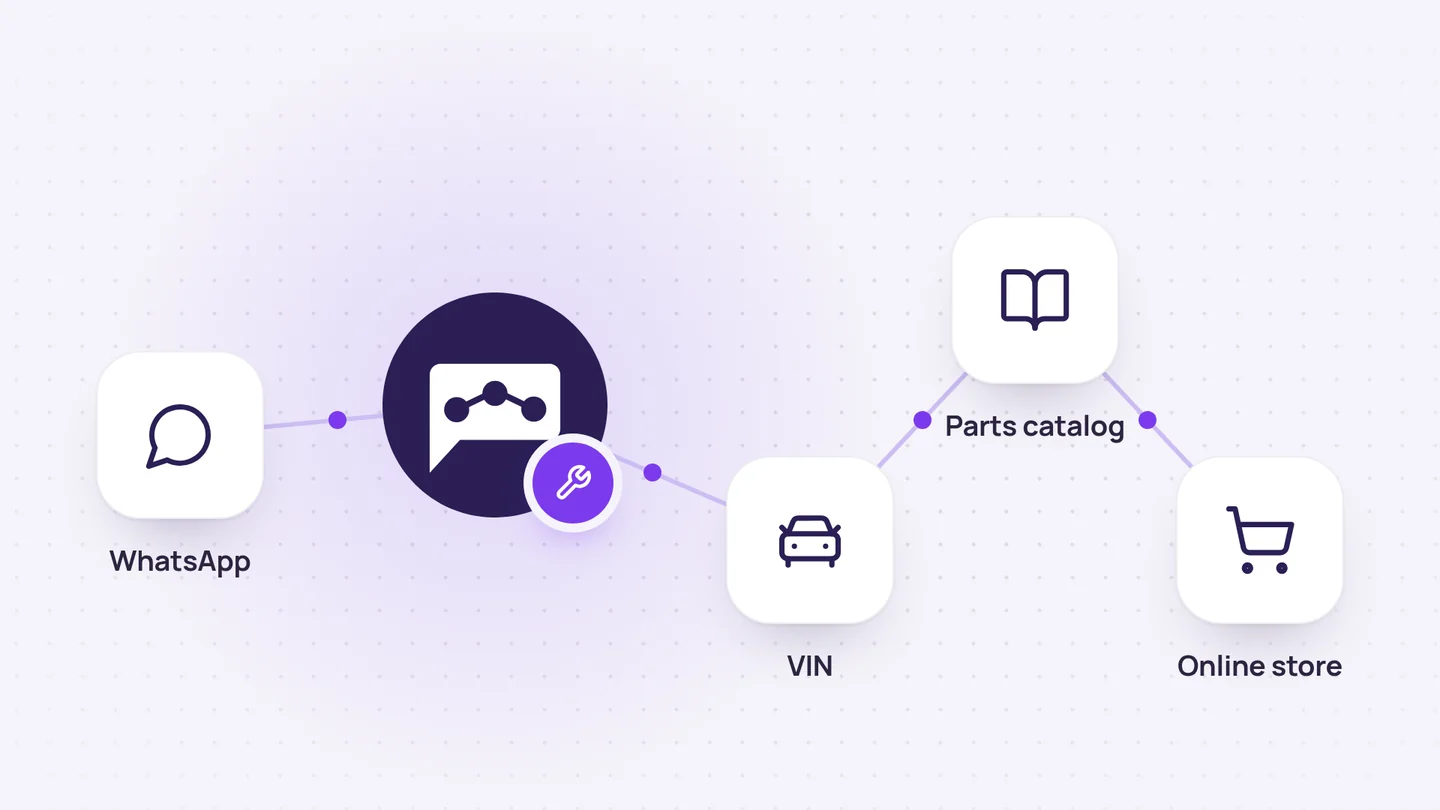
Online store and orders
Auto parts sales on WhatsApp, from VIN to order
It identifies the vehicle from its VIN, finds the original part, checks the price and stock, and adds the order directly to the customer's account.
7 min read
Chetty Sites
Company vibe coding
It turns a simple request into an internal website, calculator, or dashboard and makes it available behind a login.
4 min read
Sales and CRM
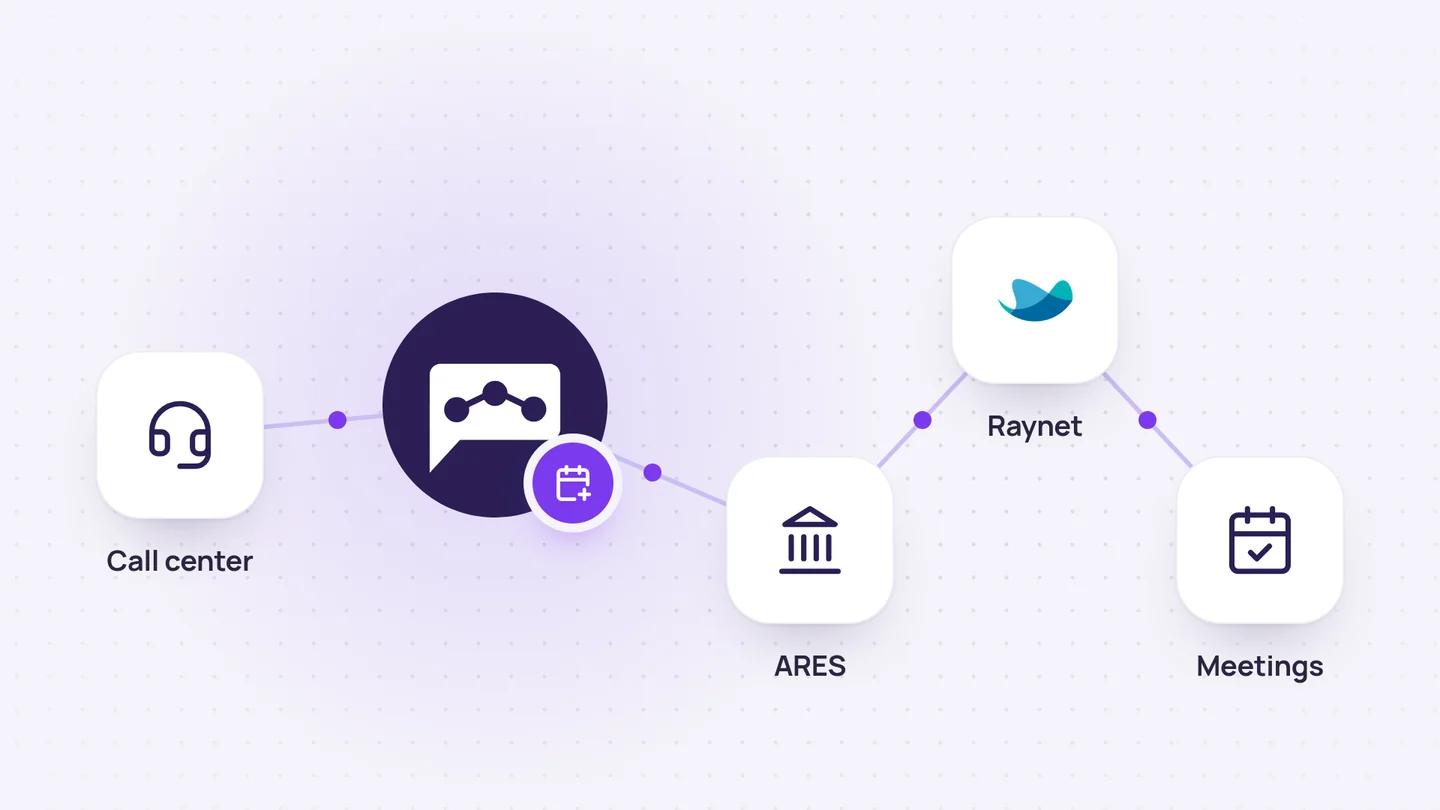
Add call center appointments to the CRM
For each call center order, it creates a client record, sales opportunity, recording, and meeting. If anything is unclear, it asks.
7 min read